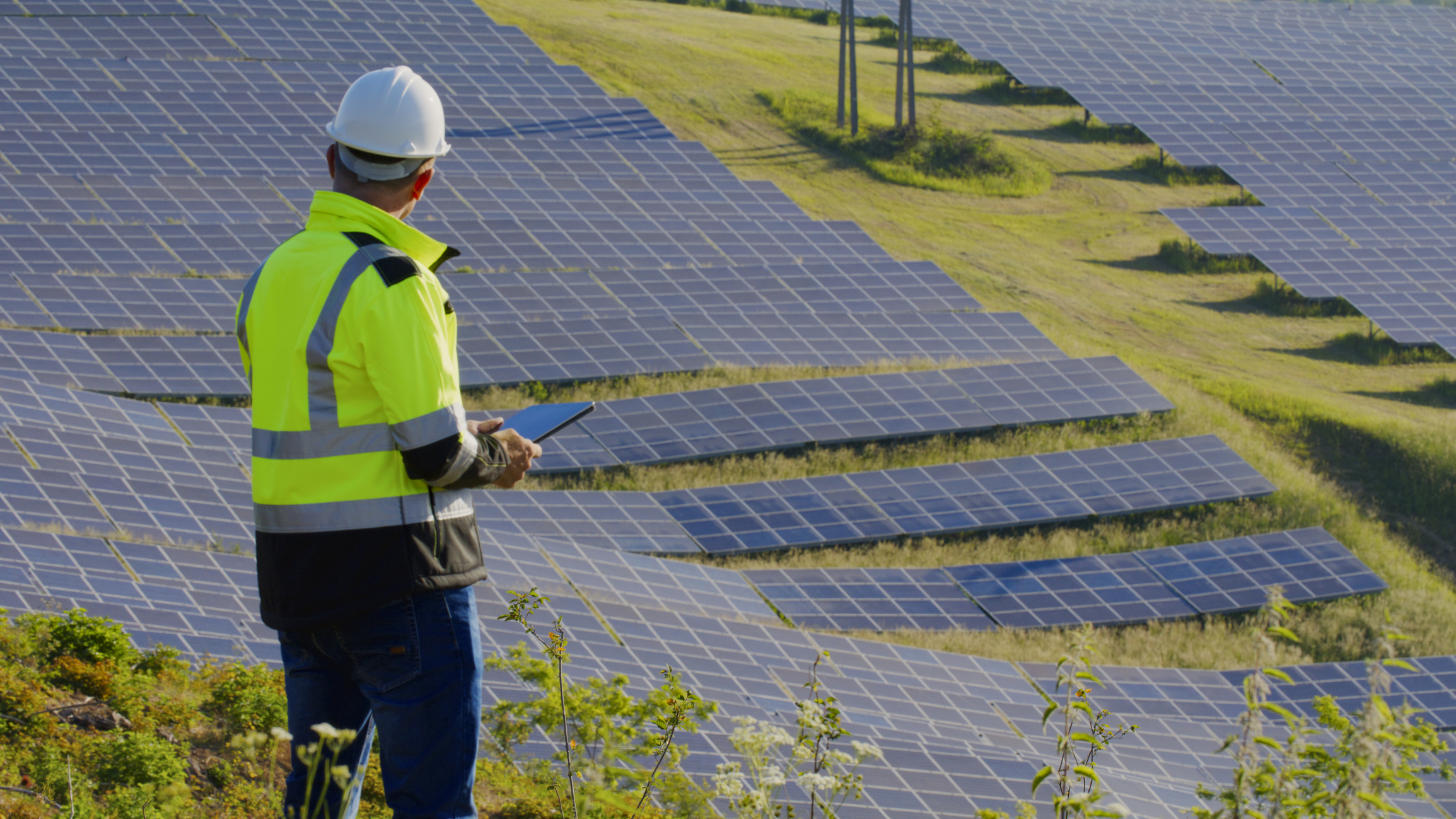
Field operations have traditionally relied on paper forms, phone calls, and reactive fixes. This approach results in slow response times, lost data, and frustrated teams. AI for field operations changes this dynamic entirely by digitizing and optimizing on-site work.
This guide explains how artificial intelligence shifts your business from manual chaos to automated precision.
You’ll learn which technologies are available, how to apply them to your daily workflows, and the tangible benefits of adoption.
Highlights
- Automated AI-powered solutions streamline documentation, ensuring 360° evidence capture and reducing administrative overhead for field teams
- AI transforms reactive maintenance into predictive strategies, analyzing sensor inputs to prevent equipment failures before they occur
- Intelligent scheduling algorithms optimize route planning and resource allocation, significantly cutting travel time and fuel costs
- Real-time data processing provides actionable insights, allowing field teams to make faster, data-driven decisions
What is AI for field operations?
AI for field operations is the application of advanced software that mimics human intelligence to manage and optimize on-site work. It goes beyond basic digitization. While standard software stores data, AI analyzes that data to:
- Automate complex tasks
- Recommend actions
- Make predictions
For a solar installer or property manager, this means software that doesn’t just list jobs but helps you decide which jobs to do first and how to do them faster. It bridges the gap between the office and the field, ensuring that the service organization operates as a cohesive unit.
(Note: This article focuses on AI in general field operations. If you’re looking for specific information on service-based dispatching, please refer to our guide on AI in field service management.)
Types of AI technologies used in field operations
Different branches of artificial intelligence solve specific problems in the field. Understanding these distinct technologies helps in selecting the right tools for your specific needs.
- Predictive analytics: Uses historical data and statistical algorithms to forecast future outcomes, such as when a piece of machinery is likely to fail.
- Machine learning algorithms: Software that improves automatically through experience, learning from data patterns to optimize schedules and routes.
- Natural language processing (NLP): Lets users interact with software via speech, facilitating voice-to-text reporting and chatbots.
- Computer vision: Enables software to “see” and interpret visual data from photos or videos to identify defects, safety hazards, or completed tasks.

- Deep learning models: Advanced neural networks capable of processing vast amounts of unstructured data for complex decision-making.
The field operations technology stack
AI doesn’t work in a vacuum. It requires a robust ecosystem of connected devices and platforms, including:
- IoT sensors and connected equipment: Internet of Things devices embedded in assets provide continuous streams of performance data and sensor inputs.
- Mobile applications and devices: Smartphones and tablets serve as the primary interface for field teams to input data and receive instructions.
- Cloud-based platforms: Centralized systems like Google Cloud store and process vast datasets, enabling accessibility from anywhere.
- Communication infrastructure: 5G networks and other connectivity solutions ensure real-time data transfer between the field and the office.
- GPS and location services: Essential tools for tracking assets, optimizing routes, and verifying technician locations.
This stack collects the data that AI needs to function effectively.
Key applications of AI for field operations
AI is beyond being a buzzword. Today, it’s a practical toolkit for solving real operational headaches. The following applications show how AI removes friction from fieldwork.
Intelligent scheduling and workforce management
AI removes the guesswork from assigning tasks. Instead of a dispatcher manually shuffling sticky notes or work order spreadsheets, AI systems analyze availability, skills, and location instantly to:
- Dynamically optimize schedules based on traffic, job duration, and urgent work orders
- Assigns complex tasks to technicians with the specific certifications required
- Automatically balance workloads to prevent burnout and reduce overtime

This ensures the right person gets to the right job at the best time.
Predictive maintenance and asset management
AI shifts the focus from costly reactive repairs to predictive maintenance. It analyzes asset history and real-time sensor data, enabling your crew to resolve issues before they cause downtime.
For example, through real-time condition monitoring, IoT devices track temperature, vibration, and usage to detect anomalies early. Data analysis can also predict the optimal time to replace or overhaul assets to improve lifecycle optimization.
Automated documentation and data capture
Field teams often dread field service documentation because it slows them down. AI helps with much of this by automating data entry and validation. Key enabling technologies include:
- Computer vision analysis
- Voice-to-text reporting
- Smart forms
Tools like SiteCaptureAI utilize these capabilities to ensure that inspections and reports are accurate and complete without manual effort.

Route optimization and navigation
Getting to the job site efficiently is half the battle. AI goes beyond simple GPS by calculating the most efficient path for multiple stops, considering complex variables that standard navigation apps miss, such as:
- Job duration and urgency
- Multi-stop planning
- Fuel efficiency
Inventory and parts management
Missing parts result in cancelled jobs and frustrated customers. AI enhances inventory management through:
- Vehicle stocking: Ensuring that field trucks are loaded with the specific inventory needed for the day’s scheduled jobs.
- Demand forecasting: Analyzing historical usage to predict which parts you’ll need for upcoming seasonal shifts.
- Automated reordering: Triggering purchase orders when stock levels dip below a defined threshold.
Safety and compliance monitoring
AI helps enforce safety protocols and identifies hazards that human inspectors might overlook. It also enables:
- Analysis of past accident data to identify high-risk scenarios and recommend preventive training
- Smart digital checklists to ensure all regulatory steps are completed before a job can be closed
- Image recognition to identify unsafe conditions or missing safety gear in site photos

Benefits of implementing AI for field operations
Adopting AI drives measurable improvements across your entire organization. It creates a competitive advantage by lowering costs and improving service delivery.
Operational efficiency and productivity gains
AI dramatically reduces the time wasted on administrative tasks and travel. By automating routine processes, field teams can complete more jobs per day without working longer hours.
In the energy sector alone, AI boosts productivity by over 50% and increases margins by 10–20%, according to a report from PwC.
Cost reduction across multiple areas
Efficiency naturally leads to cost savings. Optimized routes lower fuel costs, while predictive maintenance prevents expensive emergency repairs. The same PwC report cited earlier states that machine learning and perception/automation systems can deliver a 60% cost reduction across several use cases.
Enhanced customer experience and satisfaction
Customers today expect real-time updates and first-time fixes. The numbers tell the story. Salesforce research shows that:
- 80% of customers consider experience as important as a company’s products or services
- 88% say that good customer service makes them likely to purchase again
- 75% recommend companies based on excellent customer service
AI helps you deliver this by ensuring technicians arrive on time with the right parts. It also enables proactive service communication and customer self-service capabilities.
AI turns raw data into a strategic asset, enabling:
- Real-time insights: Performance dashboards track KPIs and display live data on job status and team location.
- Strategic planning: Uses predictive models to guide resource allocation and hiring.
- Trend analysis: Identifies recurring issues with specific assets or processes.
Scalability and growth enablement
AI systems scale effortlessly with your business. Whether you’re managing ten technicians or a thousand, the software adapts to handle increased workload without requiring a proportional increase in administrative staff. AI enables:
- Adapting to changing business requirements
- Business expansion and market growth
- Rapid onboarding
- Seasonal agility
Challenges and considerations
While the benefits are clear, implementing AI involves overcoming specific hurdles. Acknowledging these challenges is the first step toward a successful rollout.
Common implementation obstacles
The most common challenges of AI for field operations are:
- Integration complexity: Connecting new AI tools with legacy ERP or CRM systems can be technical.
- Privacy concerns: Collecting location and performance data requires strict governance.
- User adoption: Field teams may resist new technology if they feel it complicates their work.
- Budget constraints: Initial setup costs for advanced AI platforms can be significant.
- Data quality issues: AI requires clean, consistent data to ensure good predictions.
Best practices for overcoming challenges
To overcome these obstacles, you should:
- Invest time in organizing, cleaning, and digitizing historical data
- Select vendors with proven experience in your specific industry
- Start small to demonstrate value before a full-scale rollout
- Establish clear KPIs to measure the success
- Prioritize UX to ensure field team buy-in
Real-world use cases and industry applications
Here’s how different sectors are leveraging AI tools today.
Utilities and energy sector
In the energy sector, efficiency is critical to maintaining margins.

AI helps manage the massive influx of solar energy and other distributed energy resources and infrastructure maintenance through:
- Drone inspections: Using aerial imagery and computer vision to automate solar panel inspection.
- Grid maintenance: Analyzing data to predict outages and optimize repair crew dispatch.
- Site assessments: Using remote data to assess property suitability for solar installations.
Property management and home services
Property managers deal with high volumes of maintenance requests and turnover tasks.

AI streamlines these processes to keep tenants happy and properties in top condition through:
- Automated emergency service dispatch for efficient maintenance
- Predictive parts ordering to ensure items are always in stock
- Preventive maintenance programs
- Customer equipment monitoring
- Lease abstraction using NLP
Construction and contracting
Roofing and general contracting companies use AI to manage complex projects and ensure safety on hazardous job sites.

In construction, AI helps:
- Monitor safety by detecting workers without helmets or harnesses in real-time video feeds.
- Analyze daily site photos to track construction against the schedule
- Use aerial imagery to estimate material needs
How AI for field operations works: The technology behind the transformation
AI in field ops relies on a data flow from the field to the edge, to the cloud, and back again. Here’s how it all comes together.
Machine learning models in action
Machine learning (ML) is the engine of AI. ML involves training software on vast amounts of historical field operations data. The system looks for patterns—like which weather conditions lead to HVAC failures—and refines its algorithms over time to improve accuracy.
Once trained, the system applies what it learned to new data to make predictions (AI inference). When a prediction is wrong, a feedback loop corrects the model to improve future performance.
Real-time data processing and analysis
Speed is essential in field operations. Technologies like edge computing process data locally on the device (the “edge”) rather than sending it all to the cloud. This allows for immediate alerts, such as a safety warning on a technician’s tablet, even without a strong internet connection.
Integration architecture
For AI to be useful, it must talk to your existing systems.
Some systems boast native integrations with popular business software. However, most modern solutions use API standards to ensure seamless connectivity between your AI platform, your CRM, your accounting software, and other tools.
For example, SiteCapture integrates natively with Salesforce and Solar Financing, but also:
- Connects with 5,000+ other apps like Slack and Airtable through Zapier
- Offers custom API integrations for tailored field ops workflows

These integrations keep data flow between the office and the field in sync.
Implementation strategy for AI for field operations
Deploying AI is a journey. Following a structured phases approach reduces risk and ensures success.
Phase 1. Assess readiness and set goals
Before buying software, look at your current processes. Identify where you have the most manual data entry or the highest error rates. Set clear goals, such as:
- Reduce travel time by 15% in the next quarter
- Eliminate all paper forms by the end of H2
Phase 2. Choose the right AI tools and platforms
Look for platforms that offer the specific AI capabilities you need, like custom inspection forms, vision AI, or predictive scheduling. Evaluate vendors based on their integration capabilities with tools like Salesforce or Google Cloud. Ensure the platform is mobile and user-friendly for your field visits.
Phase 3. Implement in phases
Don’t try to change everything at once. The key to a successful digital transformation is to start with pilot programs and proof of concepts.
But how do you know where to start?
McKinsey research suggests focusing on one clear business domain at a time, defined according to:
- Workflows/processes
- Customer journey
- Function

For example, a solar installer could begin implementing AI within the “post-installation quality assurance (QA)” workflow.
Phase 4. Change management and team adoption
The best technology fails if people don’t use it. Train your team not just on how to use AI, but why it helps them. Show them how it eliminates the paperwork they hate. Appoint “digital trailblazers” within your field crews to champion the new tools.
The future of AI for field operations
The technology landscape is evolving rapidly. We’re moving toward a future where field operations are increasingly autonomous and interconnected, thanks to:
- Augmented reality (AR)
- Autonomous delivery
- Advanced IoT
- Agentic AI
To stay ahead, business owners must build a flexible digital infrastructure today. Investing in cloud-native platforms like SiteCapture ensures you’re ready to plug in these advanced technologies as they become commercially viable.
Balancing automation with human expertise and investing in workforce development will also help you prepare for the next wave of innovation in the field.
Smarter field ops with SiteCapture
AI for field operations isn’t about replacing workers. It’s about supercharging their capabilities. By automating the mundane and predicting the unpredictable, AI allows your business to operate with unprecedented efficiency and profitability.
The path to a smarter field ops starts with better data.
SiteCapture provides the foundation you need. It digitizes your field workflows and centralizes the high-quality data required to drive AI innovation.
Ready to modernize your field operations?