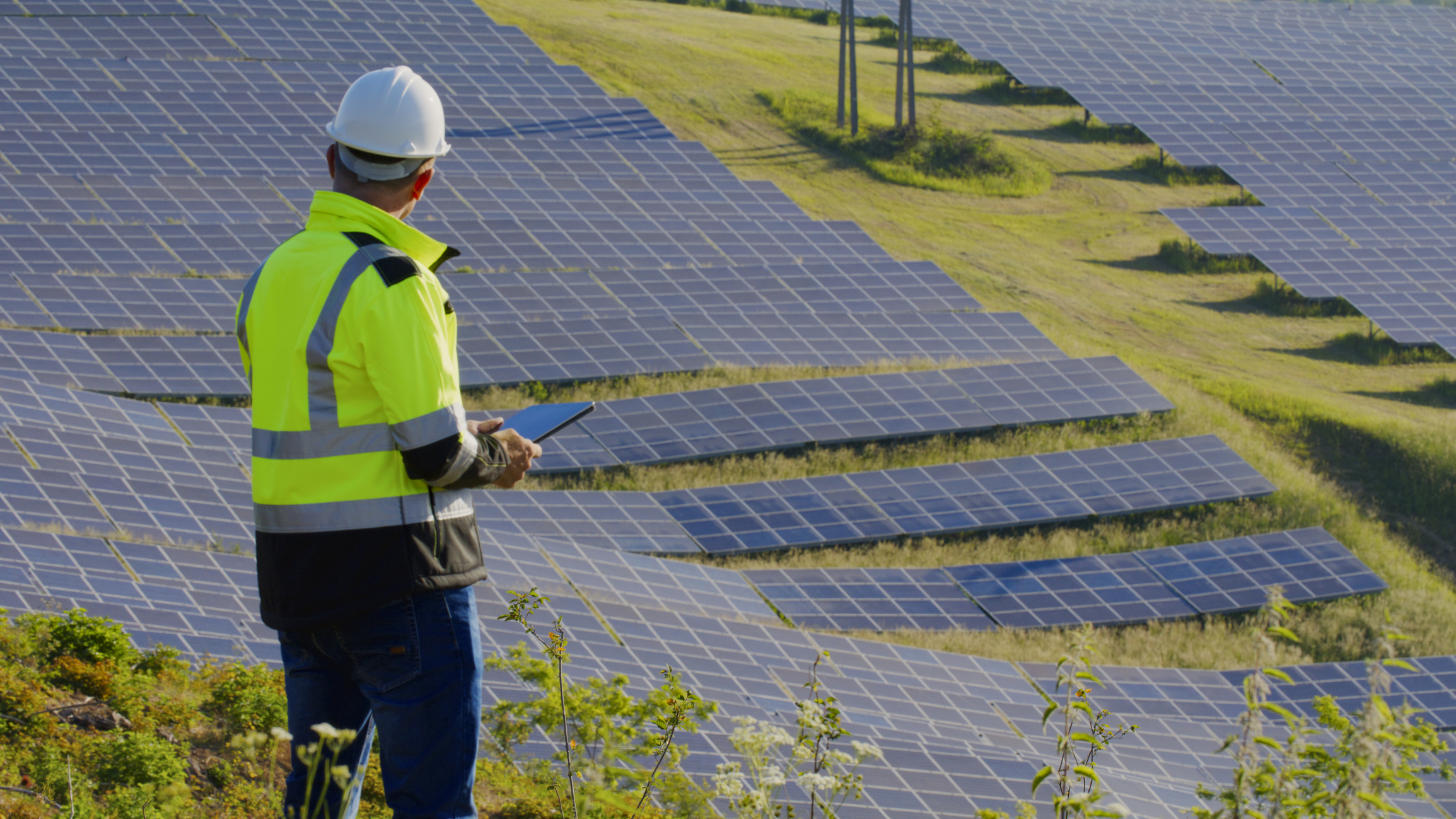
Solar technicians are the backbone of any successful solar installation business. These skilled workers are the field personnel, ensuring every solar panel is installed perfectly and every system runs smoothly. Especially with those big solar projects, a well-trained solar technician can make or break the job.
This guide is your one-stop shop for everything you need about solar technicians. Whether you’re a solar manager, business owner, in HR, or running a project, understanding what these guys do is key to making your business thrive.
Table of Contents
What is a solar technician?
A solar technician is the heart and soul of any solar installation project. They’re the skilled workers who bring solar energy systems to life from start to finish. These are the folks who climb up on roofs, wrestle with solar panels, and make sure the whole system is wired up and running smoothly.
Solar technicians are involved in every step, from assessing the site—often using solar survey tools—to installing panels, racking, troubleshooting, and keeping the system humming.
A good solar technician is a master of versatility with a solid understanding of photovoltaic technology, solar panels and their installation, and, in general, how different solar systems work. They play a crucial role in the whole operation.
Solar technician vs. solar installer
Now, you might be thinking,
“Wait a minute, isn’t that what a solar panel installer does?”
Well, there’s definitely some overlap, but a solar technician usually has a broader range of skills. Think of it this way: all solar technicians are installers, but not all photovoltaic installers are technicians.
Technicians often handle more technical aspects, like electrical wiring and troubleshooting, while installers might focus primarily on the physical installation of solar photovoltaic systems and solar equipment.
Solar technician vs. solar engineer
And what about solar engineers? Aren’t they the same thing?
Nope.
Solar engineers are the brains of the operation. They design the systems, crunch the numbers, and ensure everything meets the code.
Solar technicians are the ones who take those designs and make them a reality. They’re the boots on the ground, working with solar panel systems, photovoltaic (PV) panels, and all the other gear that makes solar energy possible.
What does a solar technician do?
Solar energy technicians wear many hats. Their day-to-day tasks can vary depending on the project, but here’s a rundown of what they typically handle:
- Site assessment: Before installing a single solar panel, technicians assess the site to determine the best placement for the system, considering sunlight, shade, and roof orientation. Doing so involves getting up on roofs and accurately measuring the available solar energy resources.

- Installation: This is where the heavy lifting comes in. Technicians install the solar panels, racking systems, and all the electrical wiring needed to connect the system to the building. They’re pros at handling heavy equipment and power tools and ensuring every installation sequence is right. This type of work requires physical stamina.
- Testing the system: Once hooked up, they test it to ensure it generates power as it should.
- Troubleshooting: Even the best solar installations can have hiccups. Technicians are skilled at troubleshooting electrical installations, solar inverters, and other components to identify and fix problems.
- Maintenance: Solar systems need regular checkups to keep them running efficiently. Technicians perform routine maintenance, like cleaning panels, checking connections, and ensuring everything is in tip-top shape. They’re also the go-to folks for emergency maintenance when something unexpected happens.
Here’s a table that breaks down their tasks by project stage:
Project Stage | Key Tasks |
Installation | Site assessment, installing solar panels and racking, electrical wiring, and energy storage systems. |
Testing | System performance testing, troubleshooting, and ensuring systems meet safety standards. |
Performance Monitoring | Regularly checking system performance, analyzing data, and identifying potential problems. |
Customer Handover | Explaining system operation to the customer and providing DIY maintenance instructions. |
Maintenance | Scheduled maintenance and routine checks, cleaning panels, troubleshooting problems, and replacing faulty components. |
These tasks are critical for keeping projects on schedule, ensuring customer satisfaction, and building a solid reputation for your solar installation business.
Fundamental must-have skills for a successful solar energy technician
Alright, let’s talk about what makes a solar technician truly shine. Here are the must-have skills that separate the pros from the rookies:
Technical skills
You can only be a solar technician if you know a thing or two about the tech involved. Here are the key hard skills that every solar tech needs to master:
PV system installation
First and foremost, a solar technician needs to be an expert at installing PV systems. This expertise includes everything from understanding different types of photovoltaic panels to knowing the ins and outs of installation techniques and sequences.
Technicians must be comfortable working with various array configurations and ensuring the structural integrity of the installation.
Electrical wiring
A solar technician must know how to wire panels properly and install different types of inverters, solar batteries, battery management systems, and more. They must also know how to connect the system to the building’s electrical panel safely and, in some cases, to the grid.
Electrical and mechanical troubleshooting
Solar systems are complex, and things sometimes go differently than planned. A skilled technician must be able to diagnose and troubleshoot issues with electrical systems, solar inverters, and other key components.
Safety protocols
Safety is paramount in the solar industry. Technicians work with electricity, heights, and heavy equipment, so they must be well-versed in safety procedures and best practices.
Soft skills
Solar technicians don’t just work with panels and tools. They also work with people like other crew members, managers, and clients. These interactions require a critical set of “soft skills” that promote teamwork and happy customers.
Communication skills
Running a successful solar installation business demands a technician who excels in communication. Solar professionals travel for work, lead teams, and juggle more than one project at a time. They’re responsible for ensuring the smooth exchange of critical information between suppliers, teams, site owners, and customers.
While this might seem challenging, it’s easy to keep stakeholders in the loop through project sharing, automation, and real-time, in-app notifications when you use specialized technology, such as SiteCapture.
Keeping real-time messaging in one place really helps maintain the outstanding levels of communication needed in a solar installation project. SiteCapture offers the ideal solution as a suite of field communication tools.

These tools include in-app notifications and make sharing project data easy. They inform teams, clients, and other stakeholders about roles and responsibilities, schedules, budgets, and project progress without requiring endless scrolling through chit-chat, wading through memories and miscommunications, or breaching personal information and boundaries.
Attention to detail
Solar panels represent a long-term investment for individuals and businesses alike. Modern panels can last up to thirty years, so the installations must be state-of-the-art, or they might not provide the client with the expected return on investment.
Along with high-quality materials, the key to a solar installation’s success lies in the care and attention to detail the technician provides.
In practice, this means knowing exactly where and how to install and maintain panels to maximize their lifecycle and not need correcting later. This level of attention to detail could come down to a difference of millimeters in how technicians install the equipment. It also considers factors like the season, shade, angle, and weather.
SiteCapture’s customizable report templates help solar technicians capture and record all the important details of a solar installation job.

Keeping all the relevant information about a job site handy is a big step towards ensuring you account for everything, and no details slip through the cracks. Tools like SiteCapture help great, detail-oriented technicians stay on top of a project’s progress by easily capturing and tracing images onto a mobile device.
This feature is especially valuable when we consider how an installation project may turn into a maintenance or repair project down the line, requiring a technician to remember the intricacies of each job several years — and projects — later.
Time management
In solar, the phrase “time is money” is literal! Like many professionals, solar techs work in a deadline-driven environment. With the high combined cost of labor and materials, wisely allocating resources (including time) is a core skill every installer should master.
However, as workers and contractors often juggle different aspects of installations simultaneously, each task presents another challenge to minimize the inefficiencies of switching between multiple parallel jobs.
Saving time and keeping a crew on track with project management is much easier when you have a foolproof system that allows you to check off each key feature as you go.
Many successful solar professionals utilize project management tools like SiteCapture. These tools make managing projects easy with user-friendly integrations and solar-specific features that ensure high productivity and keep everyone informed about the project’s progress.
Keeping track of and prioritizing tasks can help crews make the most of their allocated time (and budget!).
How to become a solar technician (From a hiring manager’s perspective)
So, you’re looking to hire skilled solar technicians.
Where do you find them? The answer starts with how workers become solar technicians in the first place. By knowing the typical paths to becoming a solar energy technician, you’ll be able to meet them along the way:
Education
Many technicians start with a high school diploma or equivalent and then pursue further education to become solar technicians. Common education paths include:
- Community colleges
- Vocational schools
- Technical schools
- Trade schools
Common relevant degrees include associate degrees of applied science in solar energy, electrical engineering, and electronics engineering technology.
Other relevant options include diplomas as an electrical or renewable energy technician or certificates in solar panel installation. These programs provide a foundation in electrical systems, solar technology, and safety practices.
Certifications
Instead of or in addition to formal education degrees, top-notch professionals also pursue industry certifications, such as those from the North American Board of Certified Energy Practitioners (NABCEP), the Electronics Technicians Association International (ETA® International), the Interstate Renewable Energy Council (IREC), or OSHA.
These certifications can demonstrate a technician’s competence and commitment to quality.
Experience
Finally, another common path to becoming a solar technician is through hands-on experience. Many technicians gain experience through entry-level positions, apprenticeships, or on-the-job training.
Educational requirements and certifications
We’ve touched on education and certifications, but let’s dive deeper. These are essential ingredients in building a skilled and competent solar technician workforce. In this section, we’ll explore the specific certifications that can set your team apart and the skills that come with them.
Key solar technician certifications
Here are some of the most recognized certifications in the solar industry:
- NABCEP PV Installation Professional: This certification is widely respected and demonstrates a technician’s comprehensive knowledge of PV system design, installation, and safety.
- Electronics Technicians Association International (ETA® International) PV Installer certification: This program focuses on the technical skills needed to install and maintain solar PV systems.
- PV Installer Specialist (PVIS) certification: Although this is a solar installer certification, remember that it overlaps with the solar technician role.
- Interstate Renewable Energy Council (IREC) credentialing (various credentials for solar installers, designers, and sales professionals).
- Roof Integrated Solar Energy™ (RISE) Professional certification (RISE Pro).
- OSHA safety training and certifications.
- State-specific licenses: Many states require solar technicians to hold specific licenses to perform electrical work, ensuring they meet local safety and code requirements.
These certifications validate a technician’s skills and demonstrate your company’s commitment to quality and safety.

NABCEP-certified solar technicians are some of the most well-respected professionals in the field, as the certification program covers:
- System design, including site assessment, system sizing, component selection, and code compliance
- Installation, including system layout, mounting and racking, electrical wiring, and grounding.
- Safety protocols, such as OSHA standards, electrical safety, lockout/tagout procedures, and using personal protective equipment (PPE).
- Maintenance, troubleshooting, and performance monitoring.
- Professional conduct, including NABCEP’s Code of Ethics and customer service.
Do certifications ensure technician quality?
While certifications are valuable, there are other factors to consider. Hands-on experience is crucial, and some technicians may have gained extensive knowledge through years of on-the-job training. However, certifications offer a standardized way to assess a technician’s knowledge and skills.
Well-crafted certification programs consolidate decades of experience from industry experts. They expose technicians to a wide range of scenarios and best practices they might not encounter daily, preparing your team for anything that comes their way.
Upskilling your solar installation team
Instead of always searching for new talent, solar companies should consider investing in their existing workforce. Upskilling your current team through training programs and continuing education can be a cost-effective way to enhance their skills and craft solar technicians from the ground up.
Here are a few options to consider:
- Formal training programs: Many organizations offer comprehensive training programs that cover various aspects of solar energy installation, from basic safety to advanced troubleshooting.
- Ongoing training: Encourage your team to participate in continuing education courses, workshops, and online training to stay current with industry advancements.
- Manufacturer-specific training: Many solar equipment manufacturers offer specialized training on their products.
Career path and advancement opportunities
The solar industry offers a promising career path with plenty of room for growth. A motivated solar technician can climb the ladder and take on new challenges and responsibilities. Here’s a look at some common career progression paths:
- Entry-level installer: Most technicians start in entry-level installation roles, gaining hands-on experience and learning the ropes.
- Senior technician: With experience and additional training, technicians can move into senior roles, taking on more complex tasks and mentoring junior team members.
- Crew lead: Those with leadership skills might advance to crew lead positions, overseeing installation teams and ensuring projects stay on track.
- Specialized roles: Some technicians specialize in specific areas, such as battery storage systems, electric vehicle (EV) charging infrastructure, or solar panel maintenance and repair.
Advancing into leadership roles
For those with ambition and drive, the solar industry offers opportunities to move into leadership positions. Here are a few examples:
- Lead Technician: Lead technicians oversee installation crews, ensuring quality workmanship and adherence to safety protocols.
- Project Manager: Project managers take on broader responsibilities, overseeing entire solar projects from start to finish, including planning, budgeting, and coordinating teams.
- Field Supervisor: Field supervisors oversee multiple installation crews and projects, ensuring efficient operations and customer satisfaction.
As a manager, you can help your team members advance by providing clear career paths, offering mentorship opportunities, and investing in their professional development.
Technical skills and safety training: Best practices for solar businesses
Safety is non-negotiable in the solar industry. Your technicians are your most valuable asset, and it’s crucial to prioritize their well-being. Comprehensive safety training programs are essential for protecting your team and ensuring compliance with industry standards.
Solar technician safety training best practices
Here are some best practices for developing and implementing effective safety training programs:
- Hands-on training: Don’t just rely on lectures and manuals. Provide hands-on training that simulates real-world scenarios, allowing technicians to practice safety procedures in a controlled environment.
- Regular refreshers: Safety training shouldn’t be a one-time event. Conduct regular refresher courses to reinforce best practices and keep safety in mind.
- Clear safety guidelines: Develop clear and concise safety guidelines that are easily accessible to all employees. Make sure everyone understands the rules and procedures.
- Equipment-specific training: Provide training on the safe operation and maintenance of all equipment used on the job site, including power tools, electrical testing equipment, and specialized tools like power whips.
Investing in robust safety training programs demonstrates your commitment to your employees’ well-being and creates a safety culture within your organization.
A Day in the life of a solar technician: Insights for optimizing field operations
To effectively manage your solar technician workforce, it’s important to understand their daily routines. Here’s a glimpse into a typical day for a solar technician:
- 7:00 AM — Morning huddle: At the office or on-site, the crew meets for a quick rundown to review project plans, gather equipment, and conduct a safety briefing.
- 8:00 AM — Site arrival and prep: The technician and crew arrive at the job site. The first order of business is to secure the area, set up safety barriers, and unload the necessary equipment.
- 9:00 AM — Installation begins: With the site prepped, the real work begins. Technicians install the solar panel mounting system, ensuring it’s securely attached to the roof or ground. Then, the panels go on top.
- 11:00 AM — Wiring and connections: Next comes the electrical work. Technicians carefully run wiring from the solar panels to the inverter and other components, ensuring proper connections and grounding.
- Noon — Lunch break.
- 1:00 PM — System testing: Technicians use specialized equipment to measure voltage, current, and other performance metrics, ensuring the system operates as expected. They might also use thermal imaging cameras to detect hot spots or potential issues.
- 2:00 PM—Troubleshooting (if needed): If testing reveals problems, the solar technician carefully diagnoses the issue by tracing wires, checking connections, and consulting manuals or online resources.
- 3:00 PM — Final checks and cleanup: Once the system runs smoothly, the technicians double-check all safety protocols and secure connections. They then clean up the job site and pack up their tools.
- 4:00 PM — Customer handover: If it’s a residential installation, the technician might meet with the homeowner to explain the system’s operation and answer any questions.
- 5:00 PM — Heading back to base: The crew packs up their trucks and heads back to the office or shop. Once there, they might debrief with the project manager and complete all necessary paperwork, including installation reports, safety checklists, and customer handover documents.
How SiteCapture can improve a solar technician’s day
SiteCapture simplifies a solar technician’s day-to-day routine by providing a centralized platform for managing project information, capturing site data, and streamlining communication between the field and the office. With SiteCapture, technicians can:
- Easily document site conditions.
- Streamline reporting.
- Improve communication.
- Stay organized.
By simplifying these tasks and improving communication, SiteCapture empowers solar technicians to focus on what they do best: installing and maintaining high-quality solar energy systems.
Attracting top talent: Solar technician salary and job outlook in the solar industry
In today’s competitive job market, attracting and retaining skilled solar technicians requires a solid understanding of salary expectations and industry trends. Offering competitive compensation and benefits packages can give your company an edge in securing the best talent.
Is becoming a solar technician a good career choice?
The solar industry is experiencing remarkable growth, creating abundant opportunities for those seeking a rewarding and stable career. These opportunities include roles as solar technicians.
Here are some statistics that highlight the promising job opportunities landscape:
- Solar power generation is soaring, growing by 34% in 2024 and expected to grow another 31% in 2025, according to the U.S. Energy Information Administration.

- According to SEIA and Wood Mackenzie data, this growth made solar account for two-thirds of all new electricity-generating capacity added to the U.S. grid in the first half of 2024.

This growth is fueling a strong increase in the number of solar jobs:
- The 14th Annual National Solar Jobs Census 2023, published by the Interstate Renewable Energy Council (IREC), showed that the residential solar market is booming and exceeded 100K jobs in 2023, while the total solar job market reached over 350K.


According to IREC, most of those solar jobs are in construction, where solar technicians play a key role.
High demand for skilled technicians
The rapid growth of the renewable energy sector has created a significant demand for skilled technicians, outpacing availability.
According to SEIA and Wood Mackenzie, the utility-scale solar segment, the largest in the industry, is facing challenges due to a lack of skilled labor.
This high demand means that solar companies must proactively attract and retain top talent. Offering competitive salaries, benefits packages, and opportunities for career advancement are crucial for staying ahead in this competitive market.
Salary expectations
So, these trends clearly indicate a positive job outlook for solar technicians.
But how much does a solar technician actually make?
According to ZipRecruiter, the average annual salary for a solar technician in the U.S. is $57,650, or roughly $28/hour, ranging from $34,000 for entry-level positions to as much as $87,000 for experienced technicians with specialized certifications.

It’s a good time to be a solar technician.
The bottom line: Understanding the role of solar technicians is critical for solar businesses
Solar technicians are the driving force behind the solar industry. They turn blueprints into reality, bringing clean energy solutions to homes and businesses nationwide. Understanding their role, skills, and career paths is essential for any solar business that wants to thrive in this competitive market.
By attracting, training, and retaining skilled technicians, you can:
- Position your company for long-term success.
- Build a strong and sustainable workforce.
- Reduce costs and increase profitability.
- Improve project quality and efficiency.
- Enhance customer satisfaction.
Recruiting certified technicians is smart, as it shows a commitment to quality, safety, and customer success. Empowering solar technicians with the latest solar field operations management tools, like SiteCapture, is even smarter.
How SiteCapture brings solar technicians closer to their potential
Staying on top of dozens of simultaneous jobs is paramount for the success of a solar business, and it can be a big ask for one human solar tech! Luckily, the rewards — helping conscious consumers produce sustainable energy in exchange for an attractive salary — are worth the effort. Though managing solar projects can be challenging, technology can support and boost a technician’s core skills. To achieve this, solar companies are turning to technology solutions, including specialized platforms like solar CRM software specifically designed for field operations.
SiteCapture is an industry-specific mobile application that allows users to easily upload and access job site images and data from any mobile device. The solar project software automatically catalogs and stores by job, address (GPS), date/time, and user and is easily accessed through a customized, secure web portal.
The ideal solar technician knows that even the most experienced installer can face new obstacles and make mistakes. However, the ability to overcome them with attention to detail, strong communication, and excellent time management skills is what matters most.
If you want to learn how a single app can help strengthen essential solar-project skills, schedule a free demo of SiteCapture today.
Expecting one person to be a well-rounded professional with memorized practical, theoretical, and technical expertise may seem like a huge ask, especially if they must perfectly handle a full suite of tasks, carry out projects on a strict timeline and budget, and manage a team. However, armed with the right support software, the ideal solar technician could be just one click away.